Aban Energy
Innovation based on quality
Innovation based on quality
Data Center HVAC Systems: A Core Infrastructure for Optimal IT Equipment Performance
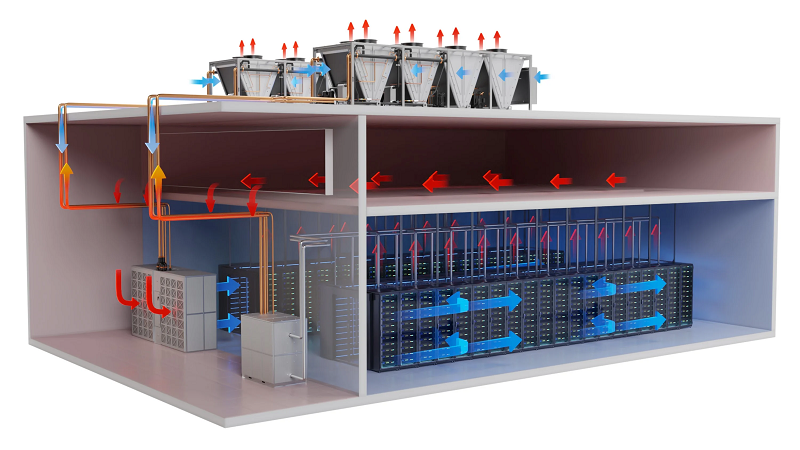
HVAC (Heating, Ventilation, and Air Conditioning) systems in data centers are fundamental infrastructure elements designed to maintain optimal performance of IT equipment. These systems are responsible for dissipating heat generated by processing and storage devices while also controlling ambient humidity to prevent electrostatic discharge or corrosion.
Various types of HVAC systems exist in data centers, including traditional CRAC (Computer Room Air Conditioner) and CCU (Computer Cooling Unit) systems, which use room layout and raised floors or ceilings to direct airflow. More advanced systems like InRow cooling optimize server exhaust air with hot and cold aisle configurations.
These systems can be designed using direct expansion or chilled water methods.
In advanced data centers, Free Cooling and Evaporative Cooling systems—both Direct Evaporative Cooling (DEC) and Indirect Evaporative Cooling (IEC)—are increasingly employed. Continuity of operation and energy efficiency optimization are crucial in such environments.
Aban Energy, relying on extensive experience and ongoing research, offers integrated and reliable solutions for precise temperature and humidity control.
These solutions include advanced products such as variable capacity HVAC systems, evaporative coolers, electronic controls, sensors, and monitoring systems that meet diverse data center needs while achieving energy savings.
What Key Issues Does Aban Energy Address in Data Centers?
Precise temperature and humidity control is essential because small fluctuations can cause increased heat or moisture, reducing equipment lifespan and posing security risks. Due to the high energy consumption of data centers, using efficient cooling systems can significantly lower operational costs.
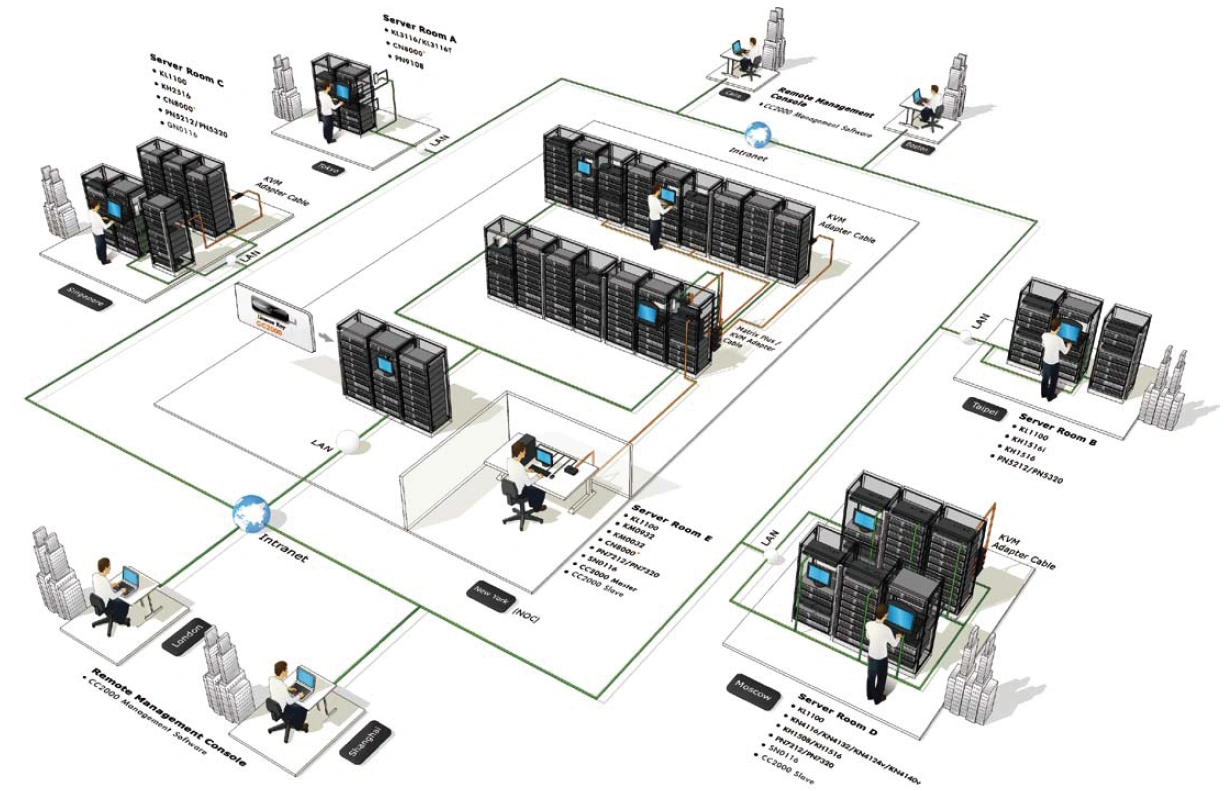
Integration of the data center with Building Management Systems (BMS) enables optimized operation of HVAC, lighting, and other equipment, improving maintenance efficiency.
Remote control capabilities allow managers to monitor and adjust data center performance, enhancing security and productivity.
Flexibility and integration of programmable systems provide easy adjustment of temperature, humidity, and other environmental parameters, ensuring optimal performance and cost reduction.
Copied to clipboard